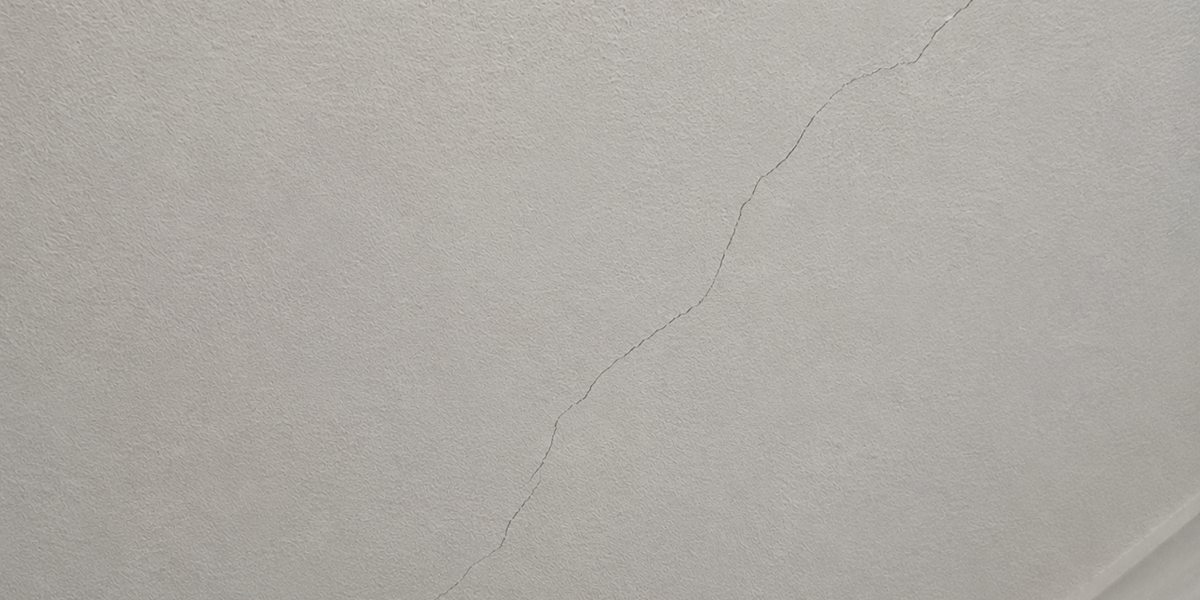
Have a crack in your ceiling? What Columbus Homeowners Need to Know Before It Gets Worse
Not every crack you spot overhead is cause for alarm. Many ceiling cracks are minor cosmetic problems that pose no structural threat. But size and location are factors that determine whether your crack is harmless or signals something more serious.
Columbus homeowners need to understand what causes ceiling cracks. You might be dealing with a hairline crack in ceiling drywall or wondering why your ceiling is cracking in multiple spots. We'll help you identify warning signs that include cracks extending down walls, discoloration and sagging. We'll also cover how to fix crack in ceiling problems and ceiling cracks when to worry. This way you can make informed decisions about repairs and know when to call professionals like us at Freedom Painting & Drywall Finishing.
Common Causes of Ceiling Cracks in Columbus Homes
Several factors contribute to ceiling cracks causes in Columbus homes. Foundation issues, moisture intrusion, environmental conditions and construction quality all play roles in crack formation. These causes help you determine whether your crack requires immediate attention or simple cosmetic repair.
Foundation Settling and Soil Movement
Clay soil beneath Columbus homes expands and contracts with moisture changes. The soil shrinks as it dries and creates gaps around foundation walls, which increases airflow and accelerates moisture removal. This soil shrinkage removes support from your foundation and causes structural movement that demonstrates as ceiling cracks. The dropping water table decreases subsoil moisture during extended dry periods and results in further soil shrinkage. This differential foundation movement stresses your home's structure. Cracks appear where the ceiling meets walls or run across rooms.
Moisture and Water Damage
Crack in ceiling water damage occurs when moisture infiltrates through roofs or plumbing systems. Drywall weakens at high humidity levels and causes it to soften and lose structural integrity. Water damage cracks accompanied by brown or yellow stains indicate leaking roofs or busted pipes. Moisture that goes unaddressed guides to continued damage and creates conditions for mold growth. Condensation forms on ceilings during cold weather when insulation is inadequate and contributes to crack formation.
Temperature and Humidity Changes
Materials like drywall expand when absorbing moisture during humid periods and contract during drier conditions. This constant expansion and contraction stresses ceiling materials and guides to crack formation. Drywall contracts when temperatures drop substantially and potentially creates cracks. Prolonged exposure to high temperatures causes materials to expand beyond normal limits. Subsequent cooling guides to contraction and cracking. These seasonal fluctuations are problematic especially when you have unventilated attics or spaces under roofs.
Poor Installation or Aging Materials
Drywall that wasn't installed right creates straight-line cracks along seams when tape wasn't applied well or framing spacing is off. Aging buildings face problems as foundations settle and materials weaken over time. Plaster ceilings in older homes crack under their own weight as materials shrink and expand at different rates through seasons. You need to identify whether the issue stems from installation defects or natural aging to address why is my ceiling cracking.
Types of Ceiling Cracks and What They Mean
Ceiling crack appearance tells you whether you're facing a simple cosmetic issue or a serious structural problem. Different patterns, sizes and characteristics reveal specific mechanisms that require different responses.
Hairline Cracks
Thin cracks less than 1/16 inch wide are cosmetic problems rather than structural concerns. These hairline crack in ceiling formations result from paint buildup or plaster expanding and shrinking due to fluctuating humidity levels. Temperature changes also cause materials to move over time and create these minor fissures. Multiple layers of old paint sometimes cause cracking on ceilings, which you can fix by sanding before applying fresh paint.
Cracks That Extend Down Walls
Long, continuous cracks across the ceiling and down walls indicate structural movement. These cracks signal clear structural damage and require professional inspection right away. Foundation settlement creates enough force to fracture both ceiling and wall materials in connected patterns.
Discolored or Water-Stained Cracks
Yellow or brown ceiling cracks point to water damage. Discolored cracks may feel damp depending on leak severity. These don't always mean existing structural damage, but unchecked moisture causes serious problems down the road. Roof leaks or busted pipelines cause this discoloration, whatever the source.
Cracks with Sagging
Cracks paired with sagging or drooping ceiling sections signal serious structural damage. Heavy water damage or excess weight above the ceiling creates these dangerous conditions. Foundation settlement can also strain trusses enough to cause ceiling movement and bowing. These situations need professional assessment right away.
Spiderweb Pattern Cracks
Spiderweb cracks radiate from a center point in patterns resembling webs. Small spiderweb formations result from poor workmanship or natural settling. But larger cracks displaying this formation relate to settling foundations and compromised structural integrity. Foundation settlement puts undue strain on structures and transfers through framing to drywall and ceiling. Freedom Painting & Drywall Finishing helps Columbus homeowners determine whether ceiling cracks warrant concern.
Ceiling Cracks When to Worry: Warning Signs for Columbus Homeowners
Certain warning signs turn a crack in ceiling from minor annoyance to serious concern. Wide cracks exceeding 1/8 inch, diagonal or stair-step patterns, and cracks appearing with sloping floors or sticky doors require investigation. These symptoms indicate structural stress that professional inspectors should review right away.
Multiple Cracks in the Same Area
Cracks appearing in multiple locations, such as one on the ceiling and several on walls, signal deeper structural problems. Concentrated masses of small ceiling cracks need professional building inspection. Foundation problems causing these cracks worsen and become more expensive to repair over time.
Gaps Between Ceiling and Walls
Visible gaps forming where walls meet ceilings often stem from foundation settlement or structural movement. These separations point to shifting foundations that require professional review. Watch for gaps widening over time, cracks running down walls from the ceiling, and multiple separation points throughout your home. Upper floor gaps may appear worse in two-story homes because foundation movement amplifies as it travels upward through framing.
Sticking Doors and Windows
Doors and windows that jam, stick, or fail to latch indicate foundation settlement. Foundation issues are present when door and window openings aren't centered or square, floors sag unevenly, or diagonal cracks start at corners of openings. Settlement occurs when soil beneath your home erodes unevenly and causes bending, bowing, or twisting of framing and supports. Foundation settlement is the likely culprit if sticky doors and windows affect multiple walls and persist whatever humidity changes occur.
Uneven or Sloping Floors
Floors tilting in one direction may indicate load-bearing wall problems or serious foundation issues. Foundation problems are confirmed when floors slope and you notice hairline ceiling cracks at the same time, especially diagonal patterns extending from doorway corners. We at Freedom Painting & Drywall Finishing help Columbus homeowners identify ceiling cracks when worry becomes necessary.
How to Fix Crack in Ceiling: Repair Options and Next Steps
A crack in your ceiling needs identification first. Is it cosmetic or structural? Minor hairline cracks respond well to DIY fixes. Wider cracks, water damage, or sagging require professional assessment. At Freedom Painting & Drywall Finishing, we help Columbus homeowners determine how to fix crack in ceiling issues safely.
DIY Fixes for Minor Cosmetic Cracks
Clean the crack with a utility knife to remove loose material, then widen it a bit for better adhesion. Apply drywall compound using a putty knife for small cracks. For larger cracks, place fiberglass mesh tape over the crack before applying compound. This reinforces the repair and prevents future cracking. Sand the dried area until flush with the surrounding ceiling. Prime and paint to match your ceiling. Use setting-type joint compound rather than premixed for stronger drywall repairs that last longer.
When to Call a Professional Inspector
Professional inspection is needed when cracks pair with sagging, bulging, water stains, sudden widening, or heavy attic loads. Contractors inspect framing, truss uplift, and moisture damage above the ceiling before patching. This ensures repairs are permanent. If you notice structural movement or persistent recurrence, professionals provide accurate evaluations.
Structural Repair Considerations
Professional ceiling crack repair addresses both cosmetic settling and serious structural warnings. Pricing ranges from $200 to $1,000 per ceiling area. Final costs depend on crack size, location, access, material, moisture activity, and required waterproofing or stabilization. We at Freedom Painting & Drywall Finishing inspect the ceiling and space above before repairing so cracks don't return.
Conclusion
Not every crack in ceiling requires emergency action, but identifying the difference between cosmetic issues and structural warnings protects your Columbus home from pricey damage. Whether you're dealing with hairline cracks or noticing warning signs like sagging and water stains, getting the full picture matters.
We at Freedom Painting & Drywall Finishing inspect and repair ceiling cracks with lasting solutions. Don't wait for minor issues to become major problems—contact us today to get professional evaluation and expert repairs tailored to your home's specific needs.
FAQs
Q1. How can I tell if a ceiling crack is serious or just cosmetic?
Cracks wider than 1/8 inch, those that extend down walls, or cracks accompanied by sagging, water stains, or discoloration are serious warning signs. Hairline cracks less than 1/16 inch wide are typically cosmetic issues caused by paint buildup or minor settling and don't pose structural threats.
Q2. What causes cracks to appear in ceilings?
Ceiling cracks form due to several factors including foundation settling and soil movement, moisture and water damage from leaks, temperature and humidity fluctuations that cause materials to expand and contract, and poor installation or aging materials in older homes.
Q3. When should I call a professional to inspect my ceiling crack?
You should contact a professional inspector when cracks appear with sagging or bulging, show water stains, suddenly widen, or occur alongside other warning signs like sticking doors and windows, uneven floors, or gaps between walls and ceilings.
Q4. Can I repair small ceiling cracks myself?
Yes, minor hairline cracks can be repaired as a DIY project. Clean the crack, apply drywall compound or use fiberglass mesh tape for reinforcement, sand the area smooth once dry, then prime and paint to match your ceiling.
Q5. What are the warning signs that ceiling cracks indicate foundation problems?
Multiple cracks in the same area, cracks that run from ceiling down to walls, gaps forming between walls and ceilings, doors and windows that stick or won't close properly, and uneven or sloping floors all suggest foundation settlement or structural movement.